Retail & small e-commerce
Retailers selling through their own store or a marketplace typically need EAN-13 or UPC-A codes tied to a registered GTIN (see our GS1 guide if you're not sure whether you need one). Once you have a legitimate product number, the barcode generator renders a print-ready image in seconds, and the bulk generator handles an entire product catalog at once from a CSV export.
Warehousing & logistics
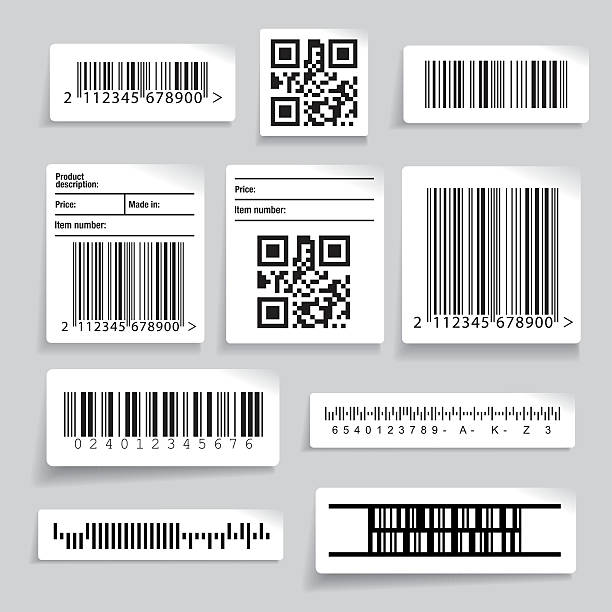
Internal SKUs, pallet labels and case codes usually don't need to match a public retail standard, which makes CODE128 the workhorse format — it accepts the full ASCII range, so it can encode alphanumeric internal reference codes directly. ITF-14 remains the standard for corrugated cardboard cartons, since it tolerates lower print quality than shelf-ready formats. Teams processing large location or bin-label rollouts lean on the bulk generator to produce hundreds of labels in one export.
Events & ticketing
QR codes dominate here because they're readable by any attendee's phone camera and by inexpensive check-in scanners alike, and their built-in error correction keeps them scannable even on a slightly creased printed ticket. The QR generator's bulk-friendly workflow (paired with the CSV bulk tool) suits generating one unique code per attendee.
Restaurants & hospitality
Digital menus, WiFi login cards for guests, and review-page links on table tents are now almost universally QR-based. The QR generator's dedicated WiFi payload type builds the connection string automatically, so a guest can join your network with a single scan instead of typing a password on a phone keyboard.
Healthcare & pharmaceuticals
Space-constrained packaging (vials, blister packs, small devices) commonly uses Data Matrix, which packs a lot of structured data into a very small square. While this site's generator focuses on the most widely used formats, our barcode types guide explains where Data Matrix fits relative to more common symbologies.
Education & personal projects
Students working on packaging design coursework, or anyone building a personal inventory system (a home library, a hobby collection), typically don't need registered numbers at all — any correctly formatted code will scan fine within a closed system. This is one of the few cases where you can freely choose whichever symbology best fits the assignment or project without worrying about GS1 registration.
Software testing & QA
Developers integrating a barcode scanner into a point-of-sale or inventory app often need a batch of realistic test codes without wiring up a real product database. The bulk generator combined with the scanner makes it easy to generate a batch, print or display it, and verify your integration decodes it correctly — all without any account or API key.